Publications
.png)
Unarine Netsianda
25th Feb, 2026
INTRODUCTION:
Project communication is described as the flow of information between stakeholders (Steyn et al., 2016). At its core, communication requires both a transmitter and a receiver, but effective communication goes far beyond simply speaking (Steyn et al., 2016). It involves active listening, interpreting information accurately, and clearly conveying the information, either verbally or in writing.
In construction, the Construction Project Manager (from this moment referred to as the CPM) serves as a central communicator through whom information from clients, consultants, contractors, and suppliers flows. When communication breaks down at this central point, the consequences ripple across the entire project, causing misunderstandings and rework, delayed feedback and decision-making, project delays, increased costs and compromised project quality.
Therefore, strong communication is not just a soft skill that Construction Project Managers possess, it is a tool that CPM can use to drive projects to a successful completion.
COMMUNICATION ACROSS THE PROJECT LIFECYCLE:
As a project unfolds, the manner in which stakeholders communicate tends to shift as more stakeholders, such as the main contractor, subcontractors and suppliers, get involved. Staying in sync means changing how information is shared and at what level this information is shared. For example, in the early stages, communication focuses on developing and establishing a project scope that aligns with the client’s vision, whereas in the latter stages of the project, coordination is in high demand to ensure a successful execution of the project.
The following phases describe the communication role of a Construction Project Manager according to the South African Council for the Project and Construction Management Professions (2006):
Phase 1: Project Inception
At project inception, the CPM directly engages in a discussion with the client to understand their vision, objectives and expectations. Through structured briefing sessions, the CPM translate the client’s ideas into a clear written scope document.
This document becomes the foundation for communicating the project’s intent to consultants and stakeholders, ensuring alignment from the outset.
Phase 2- 3: Concept and Feasibility & Design Development
During phase 2, the CPM communicates the approved project scope and client expectations to the consultant team. Clear articulation is critical as consultants rely on accurate information to develop concept designs that reflect the client’s vision.
Regular review sessions with both the project team and client ensure that the concept design accurately captures expectations before progressing to detailed design. Early clarification prevents costly revisions later.
In phase 3, coordination between consultants is crucial in this phase as the different disciplines’ designs need to speak to each other.
It is the role of the CPM to facilitate open dialogue among consultants to identify clashes, manage risks, and ensure alignment. Encouraging proactive discussions at this stage minimises technical conflicts and reduces construction-stage disruptions.
Phase 4: Procurement
In procurement, clarity directly impacts cost. Contractors price work based on the information communicated to them, both verbally and in writing.
The CPM's responsibility is to clearly communicate and provide a comprehensive scope documentation and prompt responses to requests for information (RFIs.
Clear and efficient communication at this stage can prevent ambiguity that can potentially lead to inflated pricing, disputes, or contractual claims later in the construction phase of the project.
Phase 5: Construction
Construction is where communication is tested daily. Tight schedules, weather challenges, and on-site coordination issues create constant pressure. Therefore, it is important that the CPM schedules regular site and project meetings, facilitates clear issue resolution, maintains accurate meeting minutes and provides written progress updates to the client.
Communication functions as a control mechanism rather than a support activity. When reporting structures and decision authorities are clearly defined, coordination errors decrease, and managerial response time improves.
Phase 6: Project Close-Out
As the finish line approaches, communication often declines, yet it is advisable that in this phase of the project, clarity is required as the clients/end-users need to be trained to use the various systems, project documentation must be compiled, well organised and handed over to the client, which enables the client to continue to properly maintain and care for the structure after final completion is certified.
In the final phase, maintaining strong communication ensures a smooth transition from construction to operation and protects long-term client satisfaction.
EFFECTIVE PROJECT PLANNING:
Every construction project is unique. While certain processes remain consistent, each project presents new challenges and stakeholder dynamics. Planning communication is therefore essential.
A well-developed communication plan allows the CPM to monitor, control, and streamline the flow of information. According to Steyn et al. (2016), “to tailor an effective communication strategy, the CPM must answer the following key questions:
Answering these questions early leads to the development of a robust communication framework. To illustrate this in practice, we can look at the systems that AGORA Africa has implemented.
To ensure efficiency, AGORA Africa combines traditional corporate communication methods (such as email) with faster channels like phone calls and WhatsApp messaging.
While instant messaging allows for quick clarification, all key decisions and discussions are formally recorded via email. This hybrid approach ensures speed without compromising traceability and accountability.
Technology has transformed project communication. AGORA Africa has adopted Autodesk BIM 360 to enhance collaboration and information management. This platform enables: real-time information sharing, centralised document access, improved coordination between stakeholders and controlled tracking of revisions and approvals
Standardised reporting templates provide CPMs with a structured framework for communication. Instead of ad hoc updates, stakeholders receive clear, consistent, and actionable reports. AGORA Africa’s standard templates include project charters, meeting agendas, minutes and progress reports
These standardised templates help the CPM save time, reduce errors, and promote professional, consistent communication across projects.
CONCLUSION:
Developing a clear project communication plan is a strategic responsibility that shapes an entire project lifecycle.
When a CPM establishes a structured, project-tailored, and technology-enabled communication at the start of a project, they create a foundation for project success. Ensuring that the right information reaches the right people at the right time minimises potential risks and increases coordination.
REFERENCING:
South African Council for the Project and Construction Management Professions (SACPCMP). (2006) Identification of Work and Scope of Services for Construction Project Managers Registered in Terms of the Project and Construction Management Professions Act No. 48 of 2000. Midrand: SACPCMP.
Steyn, H., Ad Sparrius, Adriette Hendrina Dekker, Kuschke, B., Eck, V. and Krige Visser (2016). Project management: a multi-disciplinary approach. Pretoria, South Africa: Fpm Publishing.
Taleb, H., Ismail, S., Wahab, M.H., Mardiah, W.N., Rani, W.M. and Amat, R.C. (2017). An Overview of Project Communication Management in Construction Industry Projects. Journal of Management, Economics and Industrial Organization, 1(1), pp.1–9.
Tayob, R. (2024). Research Portal. [online] Uj.ac.za. Available at: https://ujcontent.uj.ac.za/esploro/outputs/graduate/The-importance-of-effective-communication-for/9911581607691 [Accessed 20 Feb. 2026].
Zulch, B.G. (2014). Communication: the Foundation of Project Management. Procedia Technology, [online] 16(1), pp.1000–1009. doi:https://doi.org/10.1016/j.protcy.2014.10.054.
EARLIER POSTS
.png)
More Than Numbers
21st Sep, 2026
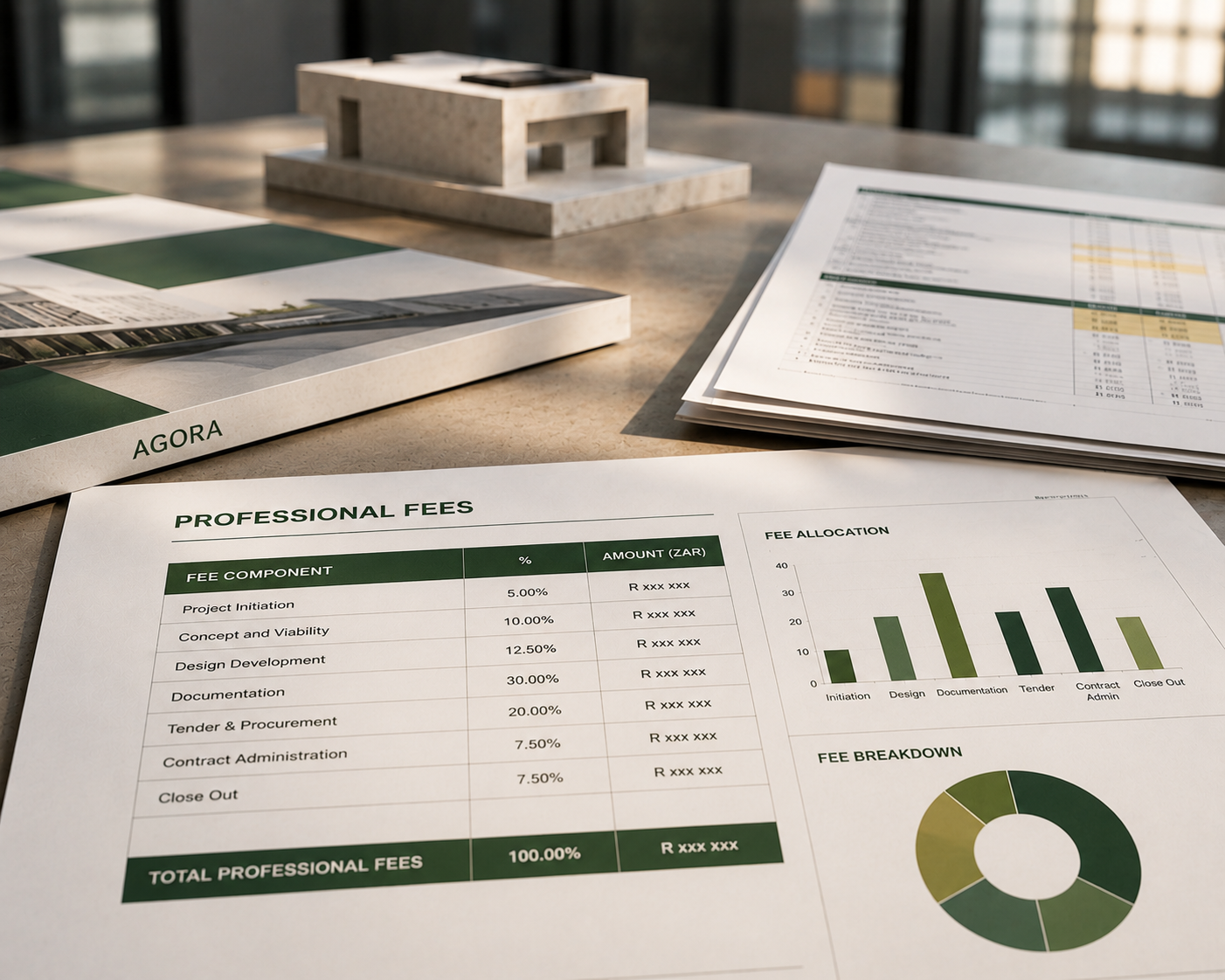
Professional Fees for Quantity Surveyors
3rd Sep, 2026

Artificial Intelligence is leading the biggest shakeup in the Built Environment!
8th Jul, 2026
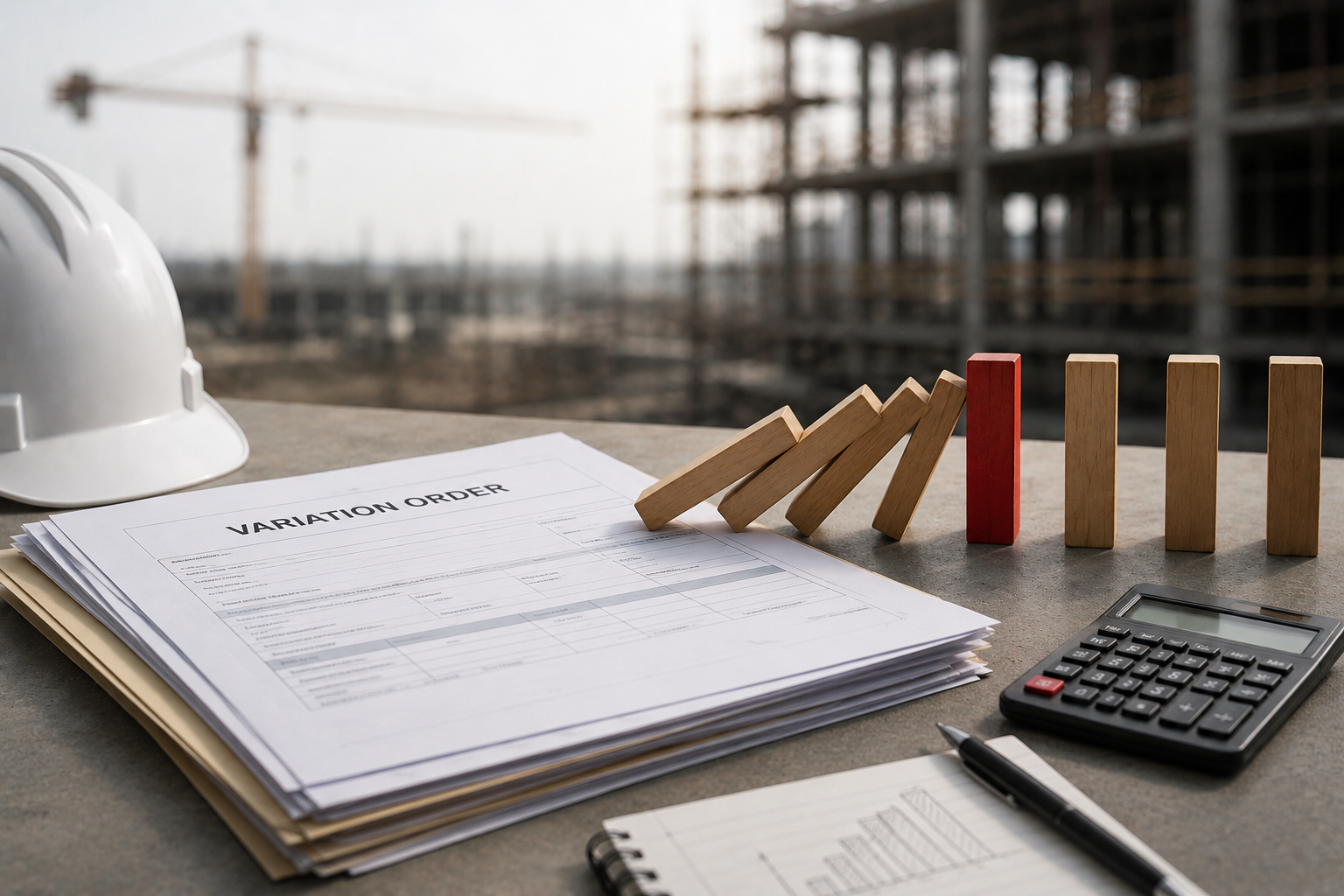
Why Variation Orders Can Make or Break a Construction Project
2nd Jun, 2026

Joining a Project Mid-Construction: Lessons Beyond the Textbooks
7th May, 2026

Constructability: The Blind Spot Between Design and Delivery
8th Apr, 2026
Project Communication: The Foundation Of Construction Project Management
25th Feb, 2026
.png)
From Measurement to Strategy: How the Modern South African QS Adds Value Beyond Cost Control
17th Oct, 2025
.png)
The AI Co-Pilot: Revolutionizing a Construction Project Manager's Day
16th Sep, 2025

Training at AGORA: Real Voices, Real Growth
8th May, 2025